
Reliable wireless infrastructure starts long before equipment is installed. Before towers are climbed, radios are mounted, antennas are aligned, or cabling is tested, organizations need a clear understanding of the site conditions that will impact network performance.
A professional site survey and network design process helps identify potential issues early, including interference, line-of-sight challenges, grounding concerns, tower conditions, and cabling limitations. With accurate field data and experienced design support, organizations can build wireless and wireline networks that are safer, more reliable, and better prepared for long-term performance.
JTS provides comprehensive site survey and design services to help organizations plan, validate, and improve their communication infrastructure before installation begins.
Why Site Surveys Matter Before Network Deployment
Every site is different. Terrain, building materials, nearby structures, existing equipment, RF interference, tower condition, grounding, and cable quality can all affect how well a network performs.
Without a proper site survey, organizations may run into avoidable problems after equipment has already been purchased or installed. These issues can lead to poor signal strength, unreliable connections, redesign costs, delays, and ongoing maintenance challenges.
A professional site survey helps answer important questions before the project moves forward:
- Can the sites communicate clearly with one another?
- Are there obstructions affecting line of sight?
- Is there existing RF interference in the area?
- Is the tower or mounting location safe and suitable?
- Is the grounding system installed correctly?
- Are fiber, coax, or copper lines performing as expected?
- What equipment and design approach will best support the network’s goals?
By answering these questions early, JTS helps customers make informed decisions and reduce the risk of costly surprises during deployment.
Spectrum Analysis and RF Studies
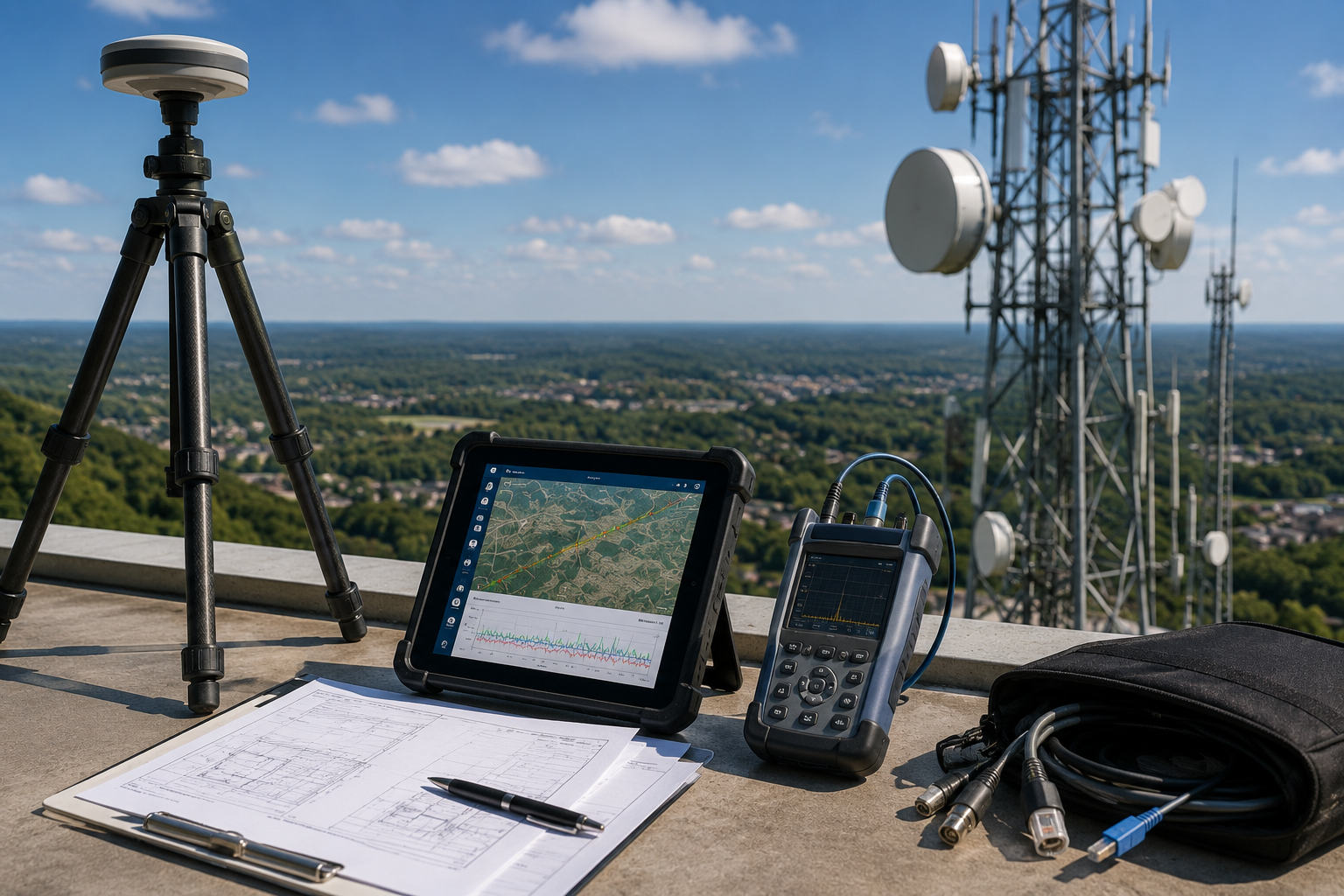
Wireless networks depend on clean, reliable signal paths. Spectrum analysis and RF studies help evaluate the wireless environment to identify interference, congestion, or other signal issues that may affect performance.
This is especially important for organizations using microwave, point-to-point, point-to-multipoint, Wi-Fi, LTE, or other wireless communication systems. Even the best equipment can underperform if the surrounding RF environment is not properly evaluated.
JTS uses RF analysis to help determine the best available options for network design, equipment placement, frequency planning, and long-term reliability.
Microwave Path Studies and Line-of-Sight Verification
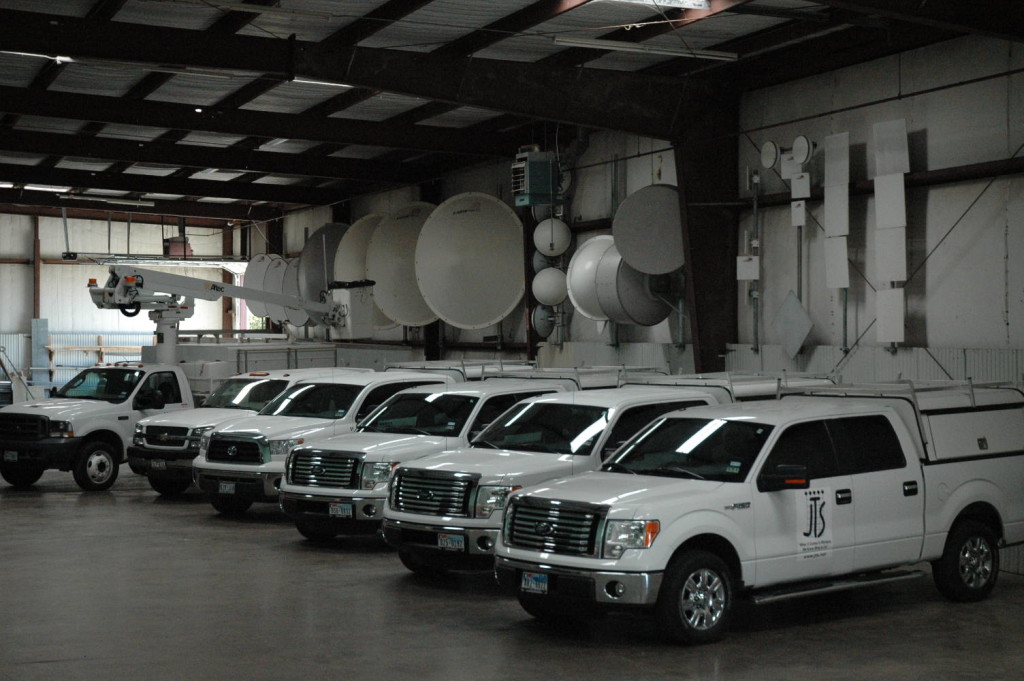
Microwave communication systems are often used to connect buildings, remote facilities, towers, utility sites, public safety locations, and other infrastructure where traditional cabling may not be practical.
For these systems to perform correctly, the path between locations must be carefully evaluated. Microwave path studies help determine whether a wireless link is viable and what equipment, antenna height, and alignment may be needed.
Line-of-sight verification is also a critical part of the process. Obstructions such as trees, terrain, buildings, and future construction can impact signal quality. By confirming the path before deployment, JTS helps customers avoid performance issues and design networks with greater confidence.
Grounding Inspections and Tower Evaluations
Network reliability is not only about signal strength. Safety, grounding, and physical infrastructure also play a major role.
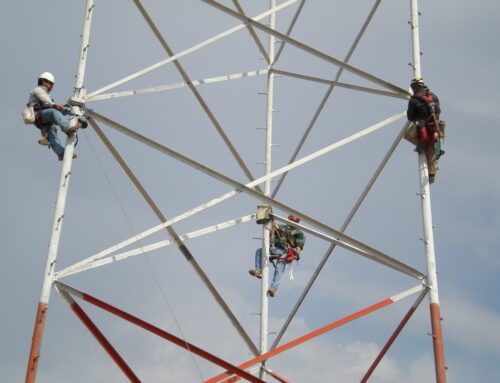
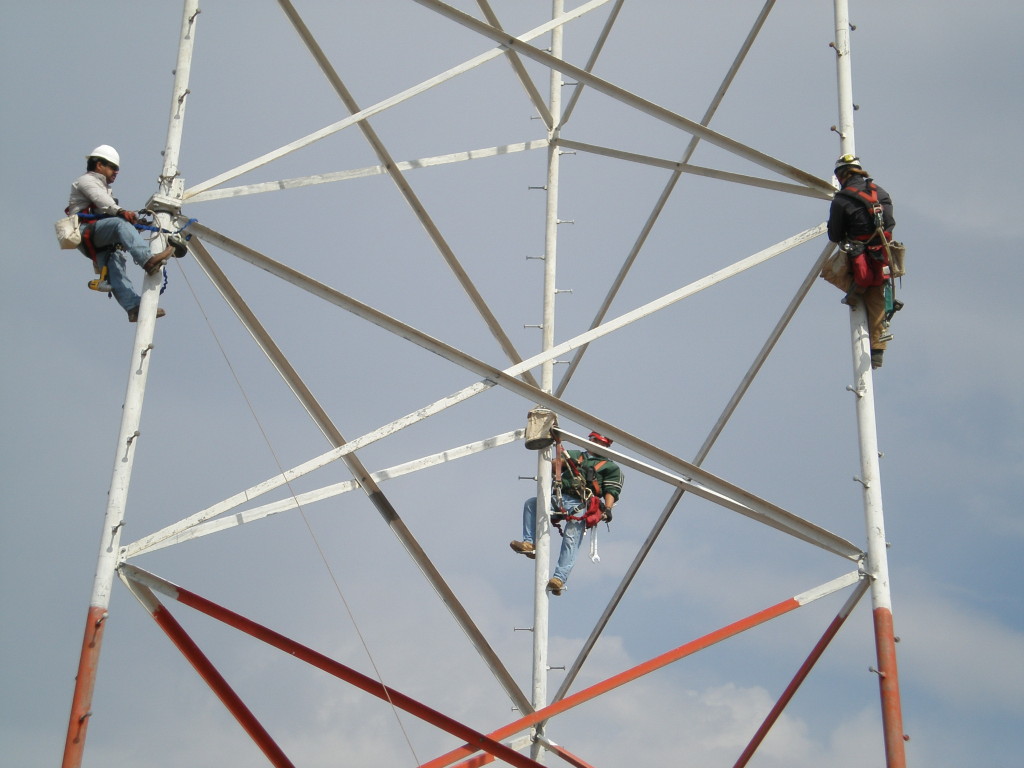
Grounding inspections help confirm that equipment is properly grounded for safety and performance. This is especially important for tower sites, outdoor wireless equipment, and mission-critical communication systems that must withstand environmental conditions.
Tower inspections help evaluate the condition and suitability of existing tower infrastructure. Before adding or adjusting equipment, it is important to understand whether the structure can safely support the project requirements.
By reviewing these factors early, JTS helps customers plan deployments that are both reliable and safe.
Fiber, Coax, and Copper Testing and Certification
Wireless networks often rely on supporting cabling infrastructure. Fiber, coax, and copper lines may be used to connect equipment, support backhaul, extend service, or integrate wireless systems into an existing network.
Testing and certification help confirm that cabling infrastructure is performing properly and can support the intended application. If cabling issues exist, they can create performance problems that may be mistaken for wireless equipment issues.
JTS provides fiber, coax, and copper line testing and certification to help validate the full network environment, not just the wireless components.
Comprehensive Reports, Quotes, and Recommendations
A site survey should result in more than a general opinion. Organizations need clear documentation, practical recommendations, and a path forward.
JTS provides comprehensive reports, quotes, and recommendations so customers can better understand the condition of their infrastructure, the requirements of the project, and the next steps needed to move forward.
This documentation can also support internal planning, budgeting, procurement, permitting, grant applications, and deployment decisions.
Grant Writing Assistance for Network Infrastructure Projects
For organizations pursuing infrastructure funding, JTS can also provide grant writing assistance and documentation support. This can be especially valuable for municipalities, utilities, public safety agencies, educational institutions, and other organizations working to expand or improve communications infrastructure.
By combining technical recommendations with project documentation, JTS helps customers better prepare for funding opportunities and long-term network planning.
Flexible Design Service Options
Not every organization needs the same level of design support. Some teams already have internal technical resources and only need help validating hardware details. Others need a more complete design process that includes site surveys, equipment selection, and performance planning.
JTS offers flexible design service options based on the customer’s needs:
- Self Design: The customer designs the system and specifies the equipment.
- Assisted Design: The customer handles the bulk of the design and site surveys while JTS engineers the hardware details.
- Standard Design: The customer provides the general design and equipment requirements while JTS performs site surveys, validates the design, and reviews equipment selection.
- Turnkey Design: The customer provides performance requirements while JTS performs the site surveys and selects the equipment.
This flexible approach allows organizations to choose the right level of support based on internal resources, project complexity, and network goals.
Network Design Based on Real Field Data
A strong network design should be based on more than assumptions. Site survey results, RF data, path studies, tower conditions, cabling performance, and customer requirements all help guide the design process.
With the right field data, organizations can make better decisions about equipment, placement, routing, coverage, capacity, redundancy, and long-term scalability.
JTS helps customers turn field conditions into clear design recommendations, giving them the information needed to build, expand, or improve their communications infrastructure with confidence.
Who Benefits From Site Survey and Design Services?
Site survey and network design services are valuable for many types of organizations, including:
- Internet Service Providers: Validate tower conditions, evaluate RF environments, confirm LOS alignment, and plan network expansion.
- Municipalities and Public Safety Agencies: Support dependable communication for police, fire, EMS, and other mission-critical operations.
- Utilities and Co-Ops: Improve system reliability and reduce downtime across large service territories.
- Construction and Engineering Teams: Plan large-scale builds with accurate field data and infrastructure recommendations.
- Enterprise Campuses and Educational Institutions: Improve indoor and outdoor wireless coverage, optimize cabling infrastructure, and support high-density connectivity needs.
Whether the project involves a single site or a larger multi-location network, proper planning helps improve performance, reduce risk, and support long-term reliability.
Why Choose JTS for Site Survey and Design Services?
Choosing JTS means working with a team that understands both the field conditions and technical requirements behind reliable communications infrastructure.
JTS brings hands-on experience, professional-grade testing equipment, and engineering expertise to wireless and wireline network planning. Their team supports projects with accurate field measurements, engineered designs, certified wireless and cabling expertise, and detailed documentation that can support permitting, procurement, grant applications, and deployment.
From initial assessment to final recommendations, JTS helps organizations move from uncertainty to a clear, actionable network plan.
Plan Your Network With Confidence
Wireless and wireline infrastructure is a long-term investment. The success of that investment depends on proper planning, accurate site data, and experienced design support.
JTS helps organizations evaluate site conditions, identify potential issues, and design network solutions built for performance, safety, and reliability. From RF studies and microwave path planning to tower inspections, grounding evaluations, cabling certification, and design recommendations, the JTS team provides the insight needed to move forward with confidence.
Contact JTS today to learn more about site survey and network design services or request a quote for your next project.